Parking in Charleston SC: What Homebuyers Need to Know

When buyers picture living in Charleston, they often focus on location, architecture, walkability, and proximity to their favorite restaurants or waterfront spots. Parking may not be the first thing that comes to mind.
But depending on where you buy, parking can become one of the most important everyday considerations.
A home might have the right number of bedrooms, a beautiful outdoor space, and a location you love, but the parking arrangement may not fit your lifestyle. This can be particularly relevant when comparing historic downtown properties, homes on narrower residential streets, and properties in more suburban neighborhoods.
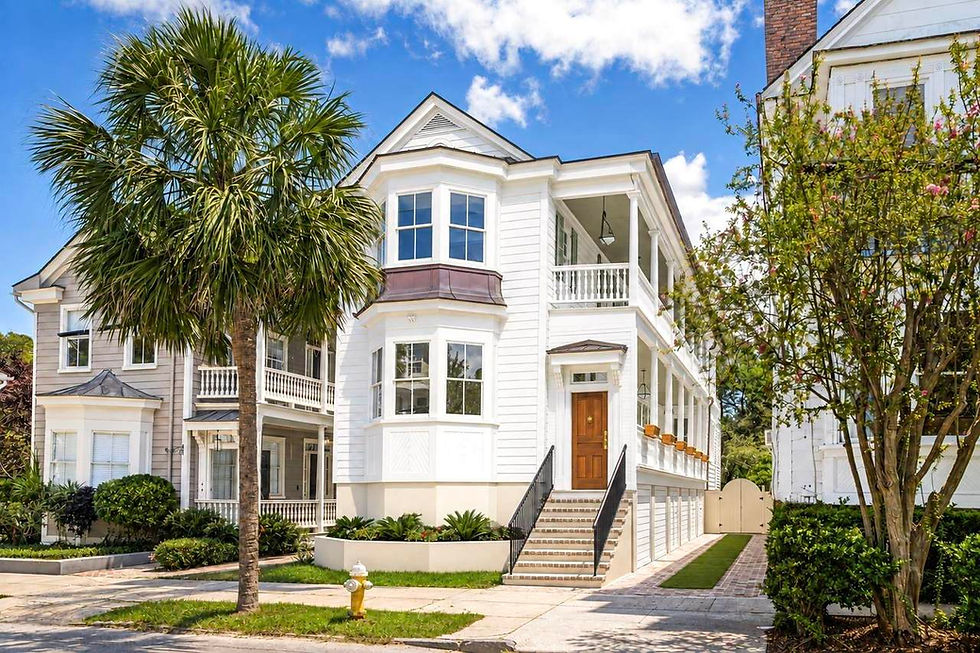
Here is what I would consider when evaluating parking before buying a home in Charleston.
Off-Street Parking Can Make Everyday Life Easier
One of the first things to determine is whether the property has off-street parking.
Depending on the home, this could mean a private driveway, a garage, a carport, or designated spaces within a shared parking area.
Off-street parking can be especially convenient when you arrive home late, carry groceries, have children, or regularly host visitors. It may also give you more flexibility during busy weekends and special events.
When viewing a property, verify how many vehicles can actually fit. A listing that mentions a driveway does not necessarily mean there is room for multiple cars.
Consider the length and width of the parking area, whether vehicles block one another, and whether access is practical for your household.
Historic Downtown Homes May Have Different Parking Arrangements
Downtown Charleston offers a range of property types, from historic single houses to condos and homes tucked along narrower streets.
Because these properties were built in different periods and on different lot configurations, parking arrangements can vary significantly.
Some homes have private driveways or rear parking areas. Others may rely on limited on-street parking or a nearby shared arrangement.
If you are considering a downtown property, make sure you understand exactly what comes with the purchase. Do not assume a parking space is included simply because the home is close to a public parking area.
Ask whether the space is deeded, assigned, shared, or subject to a separate agreement. If parking is part of a condominium or HOA arrangement, review the governing documents and confirm any restrictions.
Ask About Guest Parking
Your daily parking needs may be straightforward, but what happens when friends or family visit?
Guest parking can be worth investigating before you buy, especially if you regularly entertain or expect frequent overnight visitors.
Consider whether guests can park on the street, whether permits or restrictions apply, and whether the neighborhood becomes more crowded during events or peak visitor periods.
If the property is part of a condominium or planned community, ask about guest spaces and any limits on their use.
It is also worth visiting the neighborhood at different times of day. A street that appears quiet during a weekday showing may feel very different on a weekend evening.
A Garage Offers More Than a Place to Park
A garage can be valuable for reasons beyond protecting a vehicle from the weather.
It may provide storage for bicycles, beach equipment, tools, or seasonal items. Depending on its size and layout, it can also make daily routines easier.
When evaluating a garage, consider its actual dimensions, door clearance, storage space, and ease of access.
If you are thinking about converting the garage into a finished room or apartment, do not assume that the conversion is permitted or that you can still use the space for parking. Verify the property's zoning, permit history, and applicable building requirements before making plans.
For coastal properties, also consider whether the garage or enclosed parking area is affected by floodplain regulations.
Consider Parking When Comparing Condos and Townhomes
Parking arrangements can differ between individual units within the same community.
One property may include a dedicated space, while another may rely on unassigned parking. Some communities have garages or covered spaces, and others have restrictions on guest parking or additional vehicles.
Before purchasing a condo or townhome, review the association documents and ask for written clarification about:
The number of spaces included with the unit.
Whether spaces are deeded, assigned, or unassigned.
Guest parking rules.
Restrictions on vehicle types or additional vehicles.
Any separate fees associated with parking.
Whether the parking arrangement transfers with the property.
These details can be especially important if you have more than one vehicle or regularly host guests.
Think About Your Lifestyle, Not Just the Listing
Parking is one of those features that can seem minor during a showing but matter considerably once you live in the home.
Your needs may depend on how you spend your time in Charleston.
If you work downtown and drive frequently, convenient parking at home may be a priority. If you prefer a walkable lifestyle and plan to use your car less often, you may be comfortable with a different arrangement.
If you spend weekends at the beach, consider whether there is room for beach gear, bicycles, and other equipment. If you have frequent visitors, think about how easily they can park nearby.
It is also worth considering future needs. A household with one vehicle today may eventually need two spaces.
The right choice depends on how you plan to use the property, not simply how the parking appears in a listing.
Check Local Rules Before Assuming Street Parking Is Available
On-street parking is not the same as a private parking space.
Rules may vary by street and can involve time limits, residential permits, street-cleaning restrictions, event-related limitations, or other posted requirements.
Before relying on street parking as part of your purchase decision, review the current rules that apply to the exact location. If you are purchasing in a managed community, confirm the applicable rules with the association as well.
For homes in the City of Charleston, you can begin with the City's official parking information and verify any location-specific restrictions.
Final Thoughts
Parking may not be the most exciting part of buying a home in Charleston, but it is worth evaluating alongside the features that initially draw you to a property.
A home's location, architecture, and lifestyle appeal matter, but the everyday details matter too. Understanding the parking arrangement before making an offer can help you avoid surprises and choose a property that works for the way you live.
Searching for a home in Charleston and weighing location against everyday convenience? Ally Bills with The Cassina Group can help you compare properties and look beyond the listing photos to evaluate the details that matter to you.


Comments